In today’s saturated digital landscape, businesses must do more than just sell a product, they must create meaningful experiences. One of the most effective ways to achieve long-term success is by implementing customer-centric marketing strategies that prioritize your audience’s needs, behaviors, and preferences.
At WIGZ Marketing Solutions, “We Specialize In Solutions” that align with your customers’ journeys, ensuring every touchpoint feels personalized, valuable, and authentic. Let’s explore what customer-centric marketing really means, why it matters, and how to use it to fuel growth.
What is Customer-Centric Marketing?
Customer-centric marketing puts the customer at the heart of your marketing decisions. It’s not about what you want to say, it’s about what your audience wants to hear and experience. This approach relies on understanding your customers’ pain points, preferences, and behaviors to deliver the right message, through the right channel, at the right time.
Instead of focusing on a one-size-fits-all strategy, a customer-centric brand actively listens, adapts, and engages with its audience to build trust and loyalty.
Why It Matters for Business Growth
A customer-centric strategy directly impacts your ability to grow by:
- Boosting Customer Retention: Loyal customers are easier (and cheaper) to retain than acquiring new ones.
- Increasing ROI: Personalized content and offers convert better, reducing waste in ad spend.
- Improving Customer Lifetime Value (CLV): When customers feel understood, they spend more over time.
- Generating Advocacy: Satisfied customers become brand ambassadors, driving referrals and organic growth.
Customer expectations have evolved. They want brands that see them, hear them, and care about their experience.
Key Customer-Centric Marketing Strategies to Implement
1. Develop Buyer Personas with Depth
Start with thorough research. Don’t rely on generic demographics, get into psychographics, behaviors, challenges, and goals. Conduct surveys, interview real customers, analyze behavior on your site and social platforms.
Ask:
- What motivates them?
- What problems are they trying to solve?
- How do they make buying decisions?
Create 3–5 detailed personas and use them to guide all marketing content and campaigns.
2. Leverage Data to Personalize Marketing
Customer-centric marketing thrives on data. Use CRM platforms and analytics tools to collect and track data such as:
- Purchase history
- Website behavior
- Email engagement
- Social media interactions
Segment your audience based on this data and tailor messages accordingly. For example:
- Send personalized email offers based on past purchases.
- Recommend content that aligns with their browsing behavior.
This level of personalization increases engagement and drives conversions.
3. Map the Customer Journey
A great strategy requires understanding the full path a customer takes, from awareness to purchase and beyond. Map this journey and identify every touchpoint, both online and offline.
Then, ask:
- Are there friction points?
- Where do customers drop off?
- What content or actions move them forward?
Use this map to build a smoother, more supportive journey, and optimize experiences at each stage.

4. Use Content to Solve Problems, Not Just Sell
Value-driven content marketing is a cornerstone of a customer-centric approach. Instead of pushing products, focus on solving real problems.
Examples:
- Blog posts that answer common questions
- Video tutorials that demonstrate solutions
- Social posts that inspire or educate
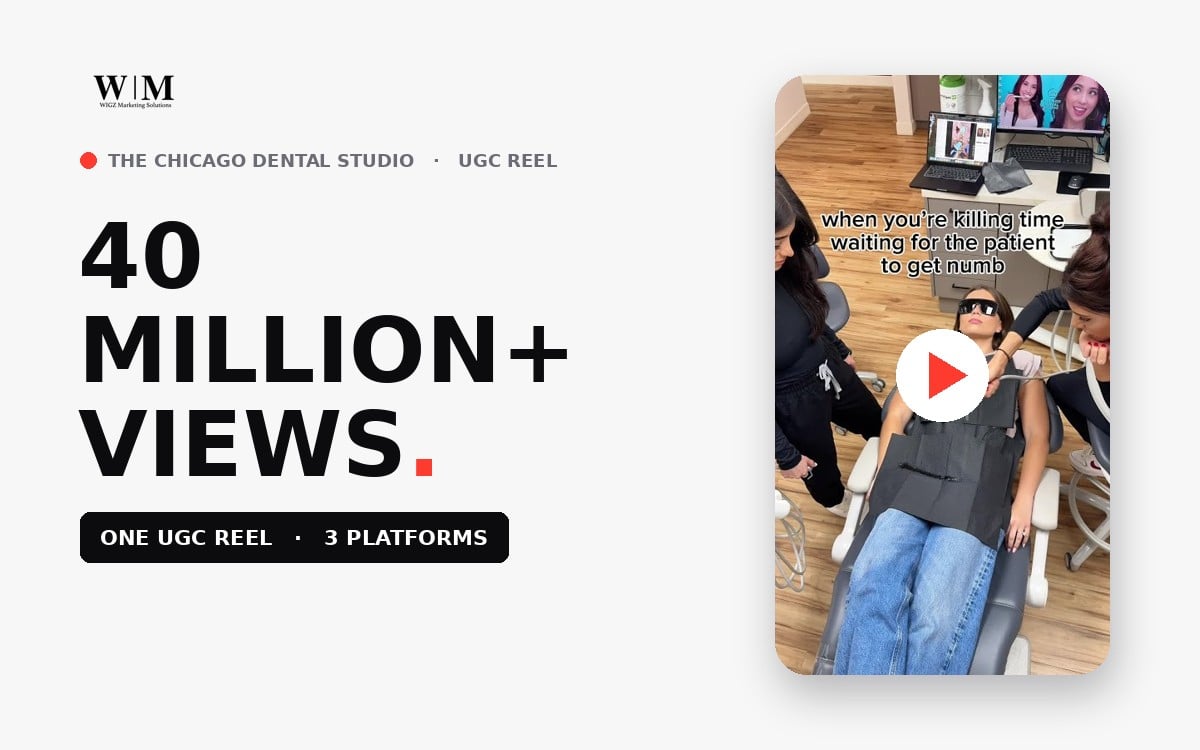
At WIGZ, our professional videography and trend-based content creation help brands stay relevant while truly connecting with their audience. It’s not about virality—it’s about value.
5. Utilize Feedback Loops
Your customers are your best resource for growth. Set up ongoing feedback systems:
- Post-purchase surveys
- Social listening
- Online reviews
- Direct outreach
Use this feedback to adapt quickly. A responsive brand earns trust, and that trust turns into revenue.
Tip: Showcase positive testimonials and case studies to reinforce trust and credibility.
6. Empower Your Support Team
Marketing doesn’t end with a sale. Customer service is a major part of the marketing experience. Train your support team to:
- Understand your buyer personas
- Provide empathetic, timely support
- Communicate brand values clearly
Consider omnichannel support options like chatbots, social media DMs, and email to meet customers where they are.
7. Invest in a Seamless Digital Experience
A clunky website or inconsistent branding turns customers away. Your digital infrastructure should be as customer-focused as your messaging.
Key areas to optimize:
- Website speed and mobile responsiveness
- Navigation and user experience (UX)
- Accessibility and inclusivity
- Seamless checkout process
At WIGZ Marketing Solutions, our web development services ensure your digital presence matches your brand promise, from visuals to backend performance.
Measuring Success: Key Metrics for Customer-Centric Marketing
To ensure your strategy is driving real growth, track metrics that reflect customer satisfaction and engagement, such as:
- Customer Satisfaction Score (CSAT)
- Net Promoter Score (NPS)
- Customer Lifetime Value (CLV)
- Retention Rate
- Conversion Rates by Segment
Use these insights to continuously optimize campaigns and experiences.

Real Growth Comes from Real Relationships
Customer-centric marketing isn’t a trend, it’s a necessity. In the digital age, consumers have endless choices. What sets your brand apart is how well you understand and serve your audience.
At WIGZ Marketing Solutions, our custom-tailored services are built around this principle. From social media to web design, SEO to CRM, we integrate seamlessly with your team to build strategies that scale with your goals.
Ready to elevate your marketing with a customer-first strategy?
Let’s talk about how WIGZ Marketing Solutions can help you build meaningful customer relationships that lead to sustainable growth.